
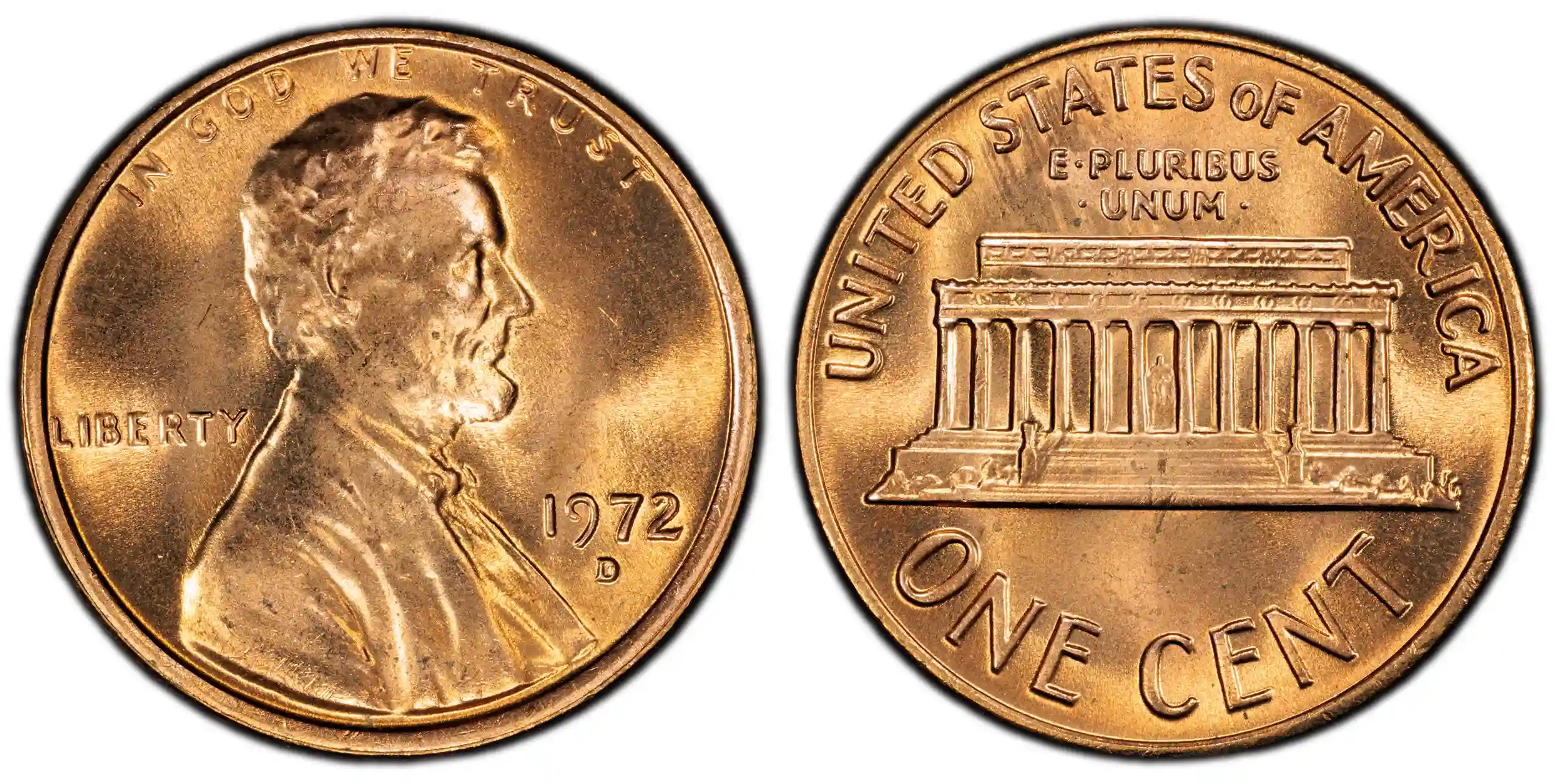
Average quality coins without surface wear sell for standard prices from $1 to $15. Rare pristine specimens have a record 1972 D penny value reaching $4250 at public auction.
Physical Parameter | Value Parameter |
Coin Mass | 3.11 g |
Alloy Mix | Copper 95% and zinc 5% |
Edge Type | Plain |
Heavy coin weights prove thick sheet planchet errors. Light weight shows metal wear or bad chemical cleaning. Measure coin weights in grams using electronic scales.
Real Market Value by Grade
Cent prices depend on coin grading scale levels. Coin experts use three color terms for copper surfaces.
Red color means coins keeping original mint luster. Red-brown color means coins showing partial color changes. Brown color means fully darkened copper coins.
Coin Grade | Brown Category | Red-Brown Category | Red Category |
MS62 | $2 | $3 | $5 |
MS63 | $4 | $6 | $10 |
MS64 | $8 | $12 | $18 |
MS65 | $15 | $22 | $45 |
MS66 | $30 | $45 | $110 |
MS67 | $85 | $150 | $312 |
MS67+ | $250 | $550 | $1625 |
MS68 | $900 | $1800 | $4250 |
Worn circulation coins do not bring premium prices. Red category coins with perfect surfaces show maximum value. Small scratches drop coin value instantly.
Manual Coin Grading Methods
Grading coins at home is simple with some patience. Get a bright desk lamp and a strong magnifying glass. Design detail check helps identify high grade coins.
Front Side Design Inspection
Abraham Lincoln portrait has key wear spots. Check hair lines above the ear first.
Visible hair lines prove uncirculated coin condition. Flat spots in this area drop coin grades to extremely fine. Cheek wear also proves circulation history.
Small marks in the coin field drop values to $1. Mint luster must shine evenly when turning the coin.
Back Side Design Inspection
Lincoln Memorial design has small details. Building columns are main coin wear indicators. Worn coins show flat columns merging together.
Twelve clear columns guarantee high coin value. Roof corners must look sharp with no marks. Step wear drops coin grades to very fine.
Letter scratch absence increases cent value.
Premium Mint Error Coins
Production mistakes turn cheap coins into expensive items. Denver mint workers made famous errors during 1972 coin production.
Doubled Die Obverse
Die damage causes doubled letters and numbers.
Liberty text and trust motto show clear doubling on the front side. Weak doubling coin value is $35. Strong doubling lines sell for $150. Record auction price for a flawless doubled die is $825.
Buyers pay high prices for extreme doubling sharpness.
Off Center Strike
Planchet shift during coin striking causes missing design parts. Part of the coin surface remains blank.
Date visibility is very important for collectors. Small 10% shifts sell for $5.
Medium 30% shifts sell for $65. Large 50% shifts sell for $120. Record price for a major shift reaches $250.
Die Crack and Cud
Broken dies make raised metal lines on the coin surface. Cracks often run through motto letters. Small date crack value is $4. Long rim crack sells for $35.
Huge metal cud errors sell for $199.
Struck Through Grease
Machine grease fills die details during production. Motto letters or date numbers look weak.
Minor grease error value is $3. Cents with missing numbers sell for $15. Record price for extreme grease strikes is $50.
High Grade Price Trends
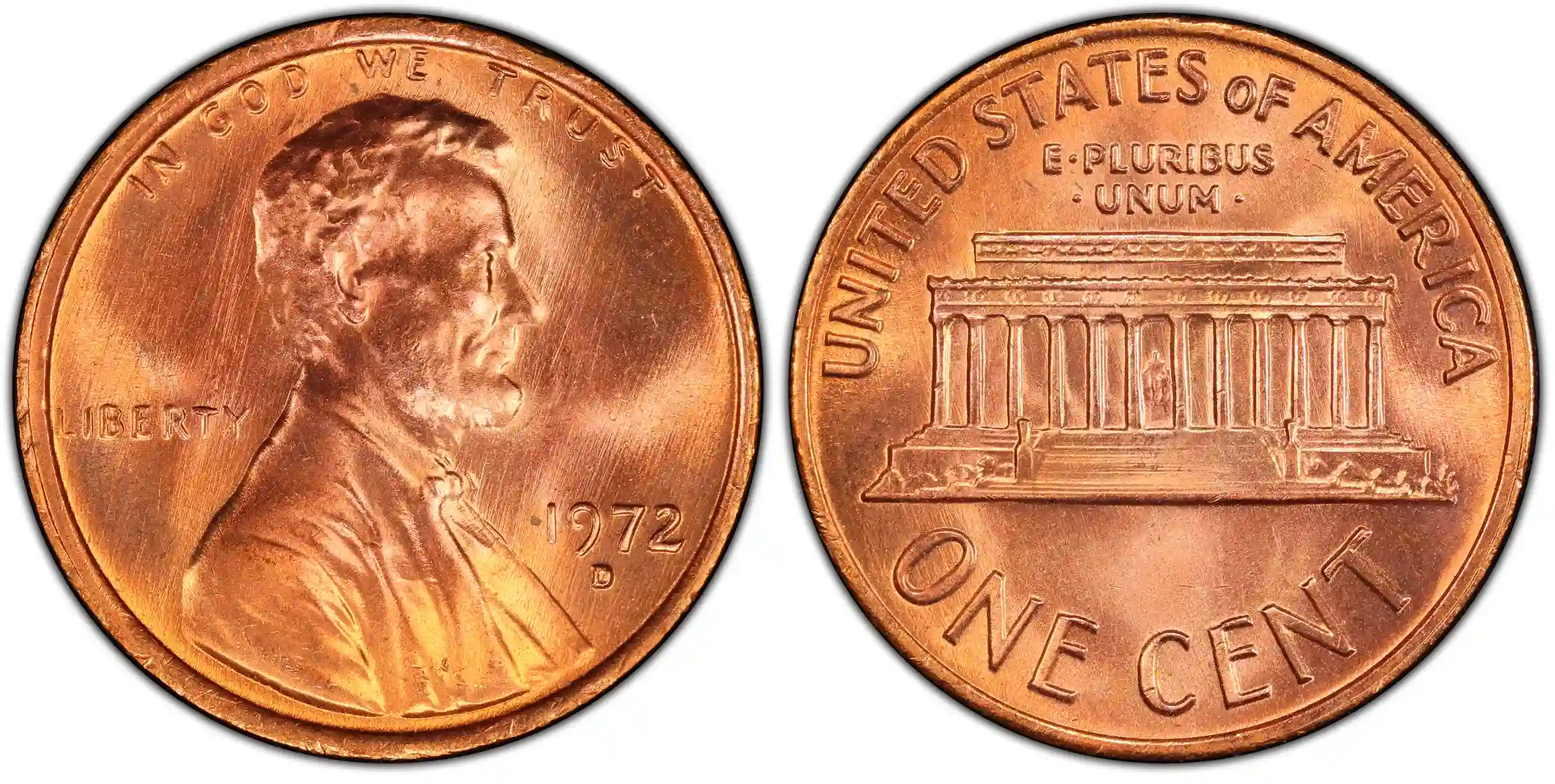
Market prices show high volatility for rare coins. Strong collector demand caused major price increases on auctions. Grade MS67 Red cent value grew fast.
These auction price records show price changes over time:
2024 price: $120
2025 price: $170
2026 price: $312
Overall value growth reached 160% in three years.
Compare this trend with grade MS65 Red coins. Low grade prices changed less than 10% during the same period. Low grade price stability makes cheap coins bad investment assets. Slow price growth does not cover inflation risks.
Investors buy top grade coins for better capital protection.
Storage Damage Financial Loss Examples
Bad coin storage ruins metal surfaces and drops prices instantly. Copper reacts with moisture and air chemicals easily.
Real collector cases prove major storage mistake losses:
Baking soda cleaning
Damp room storage
Bare hand touching
Paper towel wiping
These actions destroy original mint luster forever. Cleaned coins never get high grading numbers. Professional graders spot cleaning marks under high power microscopes.
Cleaned coin value drops to the copper metal price of $0.01. Luster restoration using chemicals is impossible. Acid coin cleaner use completely ruins collection value.
Damaged copper turns dark and develops ugly black spots.
Coin Investment Strategy
Building a profitable coin portfolio requires clear rules. Copper coin investing is safe with the right approach.
Follow these safe trading tips:
Certified slab coins
MS66 coin buying
Auction record tracking
Certificate number checks
Raw coin buying carries high financial risks. Counterfeit coins with fake luster exist on the market. Database checks protect buyers from buying fake holder slabs.
Sell expensive coins through professional auction houses. Pawn shops never pay real market value for high grade cents. High quality photos help sellers get maximum prices online.
Honest defect descriptions prevent transaction disputes.
Correct Coin Damage Protection Methods
Safe storage guarantees long term coin value growth. Copper reacts with air moisture and gas.
Use these safe methods to protect your coins:
Airtight plastic capsules
Climate control rooms
Silica gel packs
Clean cotton gloves
Never keep coins in soft vinyl albums. Vinyl releases bad chemicals creating green spot damage. Hold coins by the edges with dry hands.
Finger skin oils leave dark stains on copper fields. Avoid metal tweezers causing hairline scratches. Keep collections in dry home safe boxes.
Fireproof safes protect coin metal from room moisture.